

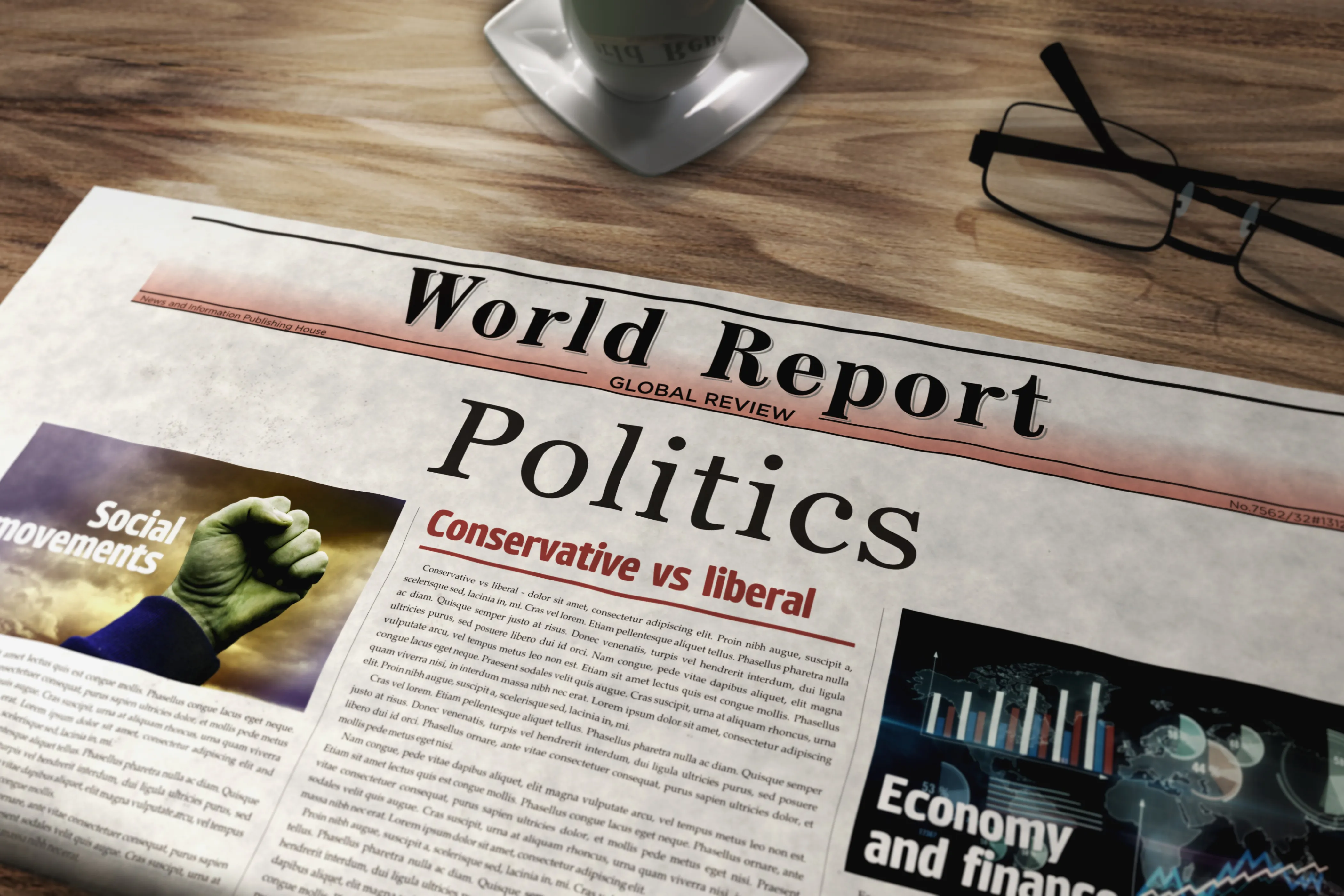
Politics and the english language have a deep connection that changes how we think, vote, and see the world around us. Words are not just tools for sharing facts. They are tools that powerful people use to hide ugly truths and make bad ideas sound good.
When leaders change the meaning of words, they control public opinion without a fight. This guide will show you how political speech works, what George Orwell taught us about clear writing, and how you can spot hidden tricks in the news today.
Why Leaders Play Games With Words
Public opinion starts with the words we hear every single day on TV, radio, and social media. If a government wants to start a war, they do not call it an attack. They call it a defense mission or a peacekeeping operation. These soft words help people stay calm.
Language shapes our thoughts before we even realize it is happening. When you read a news story about Information Society: How We Connect and Share Data, you can see how fast words spread. Words can make a scary idea sound safe in just a few seconds.
Think about how politicians talk about taxes. One side calls it taking money from hard working families. The other side calls it paying your fair share for roads and schools. Both talk about the exact same money, but the words make you feel completely different.
How Propaganda Hides the Truth
Propaganda works best when it uses long, boring sentences that mean nothing at all. Politicians love to use big words to sound smart so you do not ask hard questions. They might say that local spending will be adjusted downward. That is just a fancy way to say they are cutting school budgets.
If you want to learn more about how famous writers played with words and style, you can check out this page on In His Own Write for historical context on creative language use. Writers often fight back against boring, fake language by using plain and funny words instead.
Here are three tricks bad speakers use:
- Pretending bad news is good news by changing the name of the event.
- Using passive voice so nobody knows who made the mistake.
- Hiding simple actions behind long, heavy words.

What Did George Orwell Teach Us?
Back in 1946, a famous writer named George Orwell wrote an essay called Politics and the English Language. He noticed that people in power were writing in a lazy, dishonest way. He believed that bad writing leads to bad thinking, and bad thinking leads to bad government.
Orwell gave simple rules to fix bad writing. He said you should never use a long word where a short word will work just as well. He also said you should cut out any word that does not add real meaning to your sentence.
Most political speech fails Orwell's test. It is full of tired phrases that people repeat without thinking. When a leader says they are deeply committed to moving forward, they are just filling space. They are not telling you what they plan to do next Tuesday.
Why Do We Fall for Bad Language?
People are busy with school, jobs, and family life. We do not always have time to check every single claim a politician makes on the news. It is much easier to accept a smooth sentence than to stop and ask what it really means.
Bad language preys on our fears and our hopes. When a leader uses words that make us feel proud or scared, our brains stop paying attention to the logic. We just want to agree with the group and feel safe.
This is why understanding public opinion and media influence is a vital skill for every student. Once you start looking at sentences like a puzzle, the magic tricks stop working.
How to Spot Misleading Expressions Today
Modern media makes it very easy to spread confusing words to millions of people at once. Short video clips and quick posts on social media force politicians to use buzzwords instead of real arguments. They want a catchy phrase that sticks in your head.
You can protect your own thoughts by asking simple questions when you read the news. Who benefits from this specific sentence? What is this person hiding behind that big word? Can I say the same thing using five words or less?
Clear language is the best defense against dishonest politics. When we demand simple, honest talk from our leaders, we take back our power as citizens.
Frequently Asked Questions
What is the main idea of Politics and the English Language?
The main idea is that sloppy, dishonest language hurts our ability to think clearly. When politicians use vague words, they hide the truth and trick the public into supporting bad ideas.
Why do politicians use confusing words?
Politicians use confusing words to avoid taking blame, soften bad news, and make their plans sound better than they really are. It helps them win support without making real promises.
How can I improve my own writing?
You can improve your writing by using short words, active verbs, and simple sentences. Always ask if your reader can understand your point on the very first try.
Words have real power over our daily lives and our future. Keep reading, keep asking questions, and never let anyone trick you with fancy talk.
The Danger of Empty Clichés
Another big trick in political speech is the heavy use of clichés. Speakers drop tired phrases into every speech because these shortcuts save them from having to think of something new. When you hear about leaving no stone unturned or at the end of the day, your brain just nods along. These phrases act like a soothing blanket that puts your critical thinking right to sleep.
Writers who want to sound important often glue old metaphors together instead of finding fresh ways to describe the world. Over time, these worn out expressions lose all their color. A bold promise about building a brighter tomorrow is just empty air unless someone explains how the bricks will get paid for. Real communication requires fresh effort, while lazy talk just recycles the same old garbage.
How Fear Controls the Message
Fear is the most powerful tool in the political toolbox. When leaders want you to accept a new law that takes away your privacy or costs a lot of money, they rarely talk about the boring details. Instead, they paint a dark picture of hidden dangers waiting just around the corner. They use words that trigger panic so your survival instincts take over.
Once you feel afraid, you stop asking smart questions about the budget or the long term results. You just want the scary thing to go away. Leaders know this trick very well, and they use it every time they want to push a rushed plan through parliament or congress without a proper debate.
The Power of Everyday Citizens
You do not need a degree in journalism or a lifetime of study to fight back against tricky language. You just need to slow down and refuse to accept confusing answers. When a local official gives you a long speech full of fancy terms, raise your hand and ask for a simple translation.
Here are three simple steps to keep your mind sharp:
- Translate big corporate or political terms into everyday kitchen table language.
- Look past the emotional adjectives to find the hidden nouns and verbs.
- Talk about current events with your friends using plain and honest speech.
By making clear communication your personal habit, you help change the culture around you. When everyone demands straight answers, dishonesty stops working, and the power finally returns to the people where it belongs.


0 Comments