


An information society is a place where creating, sharing, and using digital data forms the core of daily work, school, and government. People living in this system depend heavily on computer networks, mobile phones, and vast electronic databases to get things done. Over three billion individuals now use smartphones every single day to talk, shop, and learn.
The short answer is that modern economies now run on data instead of heavy factories. Instead of making physical steel, workers manage software, send electronic mail, and run online stores. This change affects how we buy groceries, how doctors check our health records, and how children do their homework on home computers.
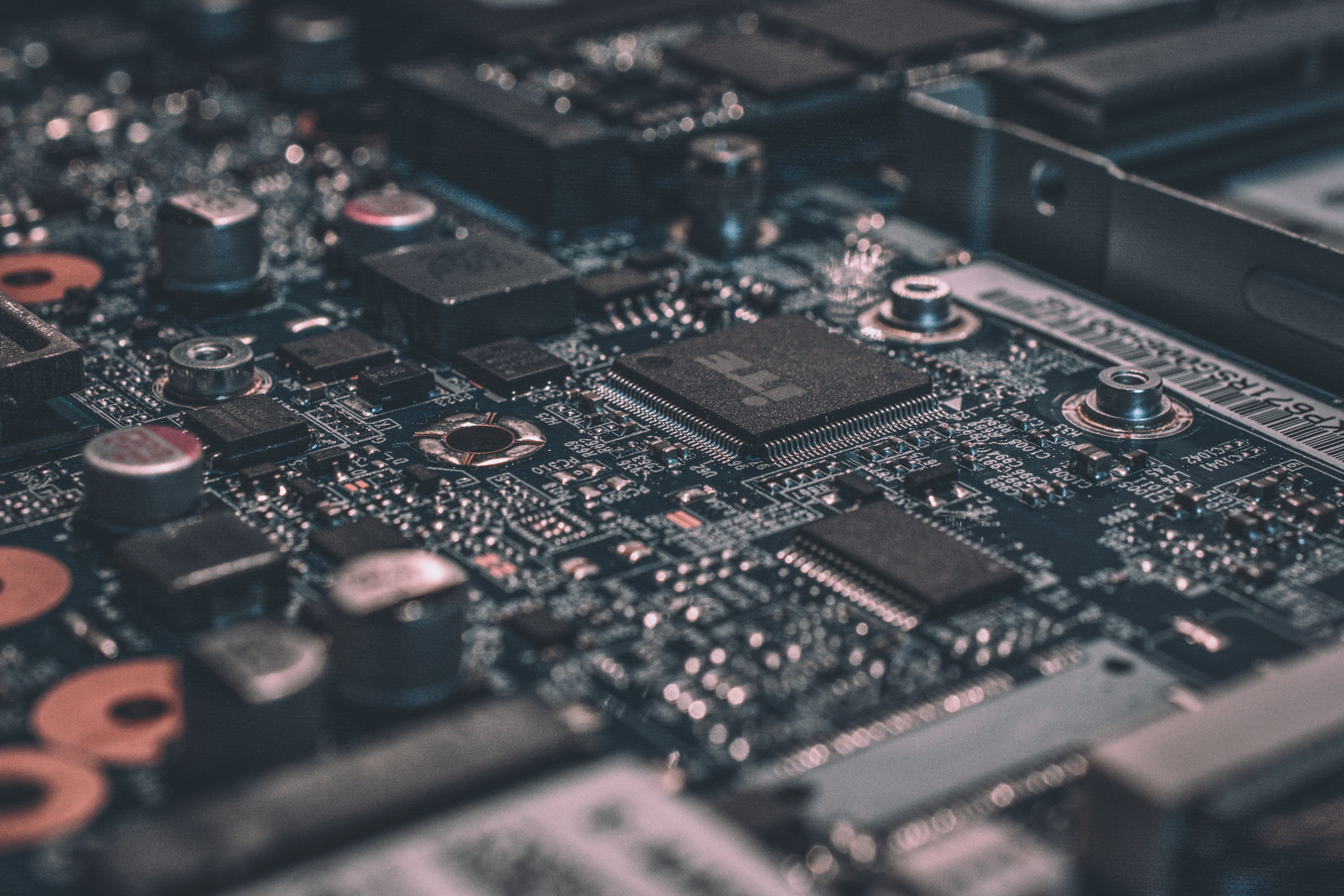
Digital Transformation in Modern Business
Businesses change fast when computers take over routine tasks. Old paper files are gone in most offices. Workers store all notes on cloud servers so teams can read them from home or check hard drive health to prevent sudden data loss during busy work hours.
Small shops now use electronic payment systems instead of cash boxes. A bakery in Ohio can track exact flour supplies using a tablet app. They order new stock automatically when bins run low. This saves hours of manual work each week.
Why Paperless Offices Save Time
Digital files never get lost in desk drawers. Employees find old invoices by typing a single word into a search bar. This speed helps companies answer customer questions in seconds.
Security is the main challenge here. Hackers try to steal company secrets every day. Firms must buy strong antivirus software and train staff to spot fake login pages.

Internet Development and Global Communication
The internet connects people across oceans in real time. High-speed fiber optic cables run under the sea to link continents. A student in Kenya can watch a science lecture recorded in Japan without any lag.
Social media apps let families share photos across different time zones. Voice calls over internet data cost almost nothing compared to old landline phones. People stay in touch constantly, which changes how friendships work over long distances.
How Fiber Optics Speed Up Web Traffic
Light pulses travel through glass strands inside thick cables. These pulses carry millions of messages at once. This speed makes video streaming smooth for millions of homes at the same time.
Rural areas still wait for fast cables to reach them. Governments spend billions of dollars to build towers and lay lines in quiet towns. Everyone needs good web access to join the modern job market.
Artificial Intelligence and Smart Automation
Artificial intelligence helps computers learn from past mistakes. Algorithms study user habits to suggest news articles or music playlists. Siri and Alexa answer voice questions by sorting through petabytes of web data in milliseconds.
Factories use robotic arms guided by smart cameras to spot flaws in products. These machines work twenty-four hours a day without taking breaks. Writers and artists also use text tools to brainstorm new ideas for books or paintings, much like musicians who once published books like In His Own Write to share their creative thoughts with the public.
Where Machine Learning Appears Daily
Banking apps use smart filters to block stolen credit cards. If a purchase happens in a distant country, the system pauses the account and texts the owner instantly.
Email providers use similar tools to catch spam before it reaches your inbox. These systems look at word patterns and sender addresses to stop scams.
What Is the Impact of Information on Modern Society?
Information gives power to people who know how to find truth online. News travels around the globe in seconds during major events. Anyone with a web connection can read public court records or check government budgets.
Fake news spreads just as fast. Readers must check multiple sources before believing a wild story on social media. Digital literacy is now a basic survival skill for adults and kids alike.
How Data Shapes Public Policy
City planners use traffic sensors to fix crowded streets. They count cars at busy intersections and change traffic light timers to reduce morning jams. Data helps mayors decide where to build new bus stops and bike lanes.
Healthcare officials track flu outbreaks using online symptom searches. This early warning helps hospitals stock up on medicine before cases peak in local schools.
Frequently Asked Questions
What is an information society?
It is a culture where digital data creation and sharing drive the economy and daily life more than manufacturing goods.
How does digital transformation change jobs?
Routine tasks go to software programs, while humans focus on creative problem solving, design, and customer care.
Is internet access a human right?
Many experts argue that web access is now vital for education, work, and health, making it close to a basic need.
How do I protect my personal data online?
Use unique passwords for every account, turn on two-step verification, and avoid clicking strange links in unknown emails.
Conclusion
Digital tools change how we live, work, and talk to each other every single day. Our growing digital world brings great speed and useful knowledge right to our fingertips. We just need to stay smart about security and fact-checking as technology keeps moving forward.
Entertainment and Leisure in the Digital Age
Free time looks very different today compared to past decades. People no longer wait for weekly television broadcasts or visit local video rental shops on Friday nights. Streaming platforms deliver thousands of movies and TV shows instantly to living room screens or pocket phones. Video games connect players from different continents into shared virtual worlds where they build cities or solve puzzles together.
Music streaming services replace physical compact discs and vinyl records. Listeners build giant digital playlists that follow them from home to the gym and back to the office. Podcasters and independent creators reach global audiences directly without needing a traditional radio station or major recording studio contract.
Education and Online Learning Tools
Classrooms stretch far beyond physical school buildings thanks to digital networks. Students attend live video lectures taught by professors living thousands of miles away. Interactive quiz apps turn learning into a game, helping children memorize math facts and historical dates while having fun.
Online tutorials and video guides help adults learn new skills after work hours. Whether someone wants to fix a leaky sink, code a website, or speak a new language, a step-by-step video sits ready on the screen. Libraries now lend e-books that download straight to tablet readers in seconds.
Benefits of Virtual Classrooms
- Students can pause and replay recorded video lessons if they miss a difficult concept the first time.
- People living in remote towns access the same high-level university courses as city residents.
- Teachers grade assignments faster using online platforms that automatically check multiple-choice answers.
- Digital textbooks cost less to update and weigh nothing in a student backpack.
Environmental Effects of the Tech Industry
While digital files save paper, computer systems still leave a heavy footprint on the natural world. Enormous warehouses filled with cloud servers use huge amounts of electricity to stay cool twenty-four hours a day. Power plants burn fossil fuels to generate this electricity, which adds heat-trapping gases to the atmosphere.
Electronic waste creates another growing problem for cities around the globe. People throw away old phones, broken tablets, and outdated laptops every time a newer model hits store shelves. Toxic materials inside these gadgets leak into the soil when workers fail to recycle them properly.
Ways to Reduce Electronic Waste
- Repair broken smartphone screens and replace old batteries instead of buying a brand-new device.
- Donate functioning computers to local schools or community centers before upgrading.
- Drop off old gadgets at certified recycling centers that safely recover precious metals.
- Buy second-hand or refurbished electronics to give hardware a longer useful life.


0 Comments