


The information society is here, and it changes how we work, eat, talk, and sleep every single day. Most of us check our phones within ten minutes of waking up. We trade physical paper for digital files, cash for screen taps, and office desks for kitchen tables.
Put simply, living in an information society means data runs our world instead of physical labor or heavy machines. If you want to know what makes this world run, how tech changes our towns, and where artificial intelligence fits, this guide breaks it down with plain facts.
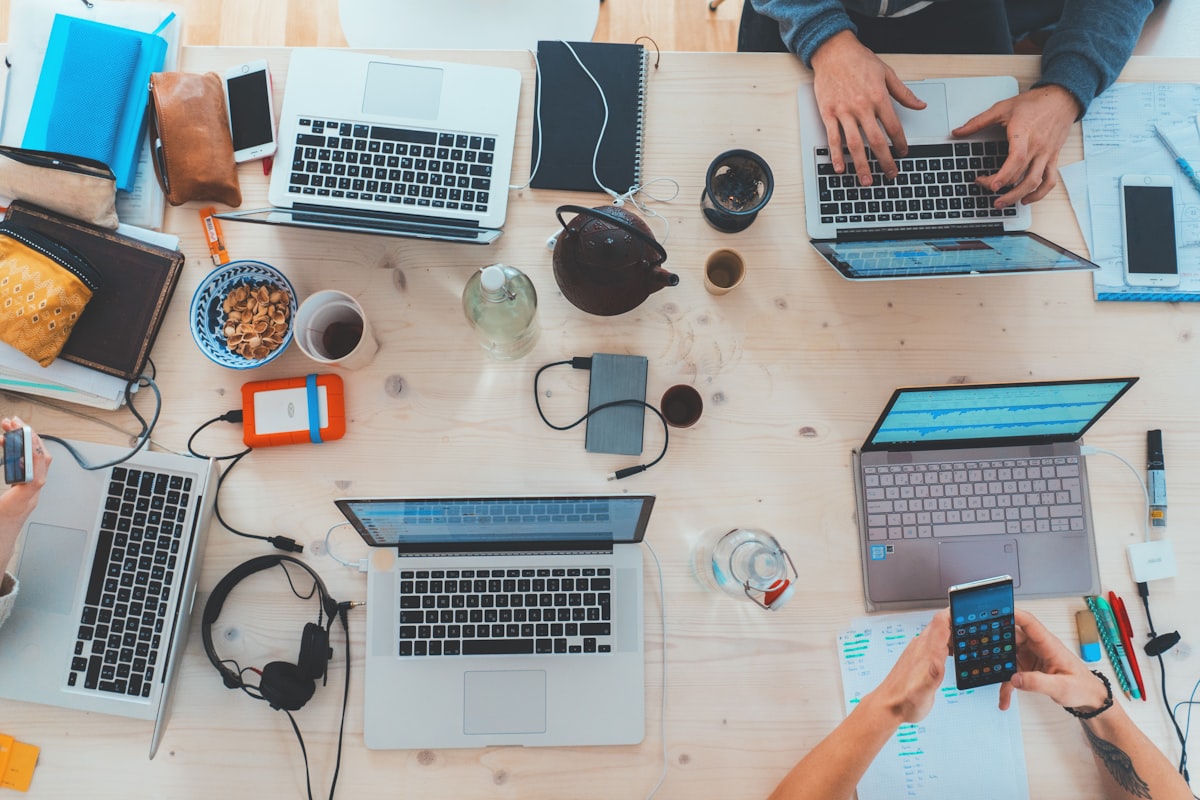
What Is an Information Society?
Centuries ago, farming drove human life. Later, factory smoke and assembly lines defined the industrial age. Today, the creation, trade, and use of data drives almost every economy on earth.
Sociologists and economists started tracking this shift decades ago. You can read how scholars explain the information society as a place where digital networks replace roads and physical tools as the main source of wealth. In 1990, the biggest global businesses built cars, drilled oil, or sold steel. Today, the biggest companies sell software, cloud space, ads, and computing hardware.
Think about a modern farm. A farmer does not just look at the sky to guess the rain. They use GPS satellites, dirt sensors, and automated tractors. That farmer works with soil, but they survive through data. That is the shift in action.
Key Signs You Live in One
- Most workers sit behind screens, handle customer tickets, write code, or organize teams.
- Public services like doctor bookings, tax filing, and school enrollments happen through web portals.
- News travels across the planet in seconds instead of waiting for morning paper deliveries.
- People spend more hours looking at glass displays than watching traditional broadcast TV.
How Digital Transformation Changes Regular Work
Digital tools are no longer optional toys for tech geeks. Local bakeries, small plumbing firms, and giant banks must run on software. When a corner store switches from paper receipts to a tablet checkout, that is digital change at street level.
Consider regular banking. Twenty years ago, moving money meant standing in a line at lunch, talking to a human teller, and getting a stamped paper book. Now, you send money to pay your friend for pizza in four seconds with your thumbprint. Over five billion people carry smartphones today. That tiny pocket computer connects everyone to global trade networks instantly.
Work habits changed fast too. Remote work tools let companies hire people across continents. A team in London works directly with designers in Seoul and writers in Toronto. This setup saves office rent, but it also means workers rarely shut their brains off. Work emails arrive at dinner time. Messages buzz when people try to sleep. The wall between home life and company tasks is thinner than ever before.
Governments must also change how they guard critical data. Agencies deal with strict guidelines for handling sensitive digital records every day. If you want to see how legal rules govern sensitive government files, check out Information May Be CUI in Accordance With What Rules? to see how safety standards work.
Communication Networks and the Internet
The web is the central highway of modern life. Without fast internet lines, our modern world stops dead in minutes. When an undersea fiber optic line gets cut by an anchor, entire countries see their trade slow down immediately.
Think about how we keep in touch now. Grandparents used to wait weeks for overseas letters sent through airmail. Now, they watch their grandchildren walk in another country on live video without paying extra fees. High-speed broadband makes the planet feel tiny.
Yet, this speed brings clear trouble. Fake stories travel six times faster on social platforms than accurate news reports. Because anyone can post anything without fact-checking, people argue over simple health facts, weather warnings, and local elections. Learning how to spot trusted sources is now a basic survival skill for everyday life.
You can find more news breakdowns and digital updates across our online tech knowledge base to stay smart about these online shifts.
Artificial Intelligence in the Information Society
Artificial intelligence is the newest engine inside this machine. Early computers only followed clear rules typed by humans. If you missed a semicolon in the code, the whole machine gave an error. AI systems today learn patterns from huge piles of past records.
Take medical visits as an everyday example. Radiologists look at thousands of chest scans each month. Small tumors can hide behind ribs where tired eyes miss them. AI programs can scan the same image in two seconds and point out tiny spots for the doctor to review. The human doctor still makes the call, but the software gives them a sharp second pair of eyes.
Customer service uses it too. You probably talked to an AI chat box last time your flight got delayed or your package arrived late. Sometimes it helps you solve problems quickly without waiting on hold for two hours. Other times, it misunderstands your sentence, makes you repeat words, and makes you angry. The tech still has rough edges, but companies spend billions to make it smoother.
Three Areas AI Changes Right Now
- Writing and Code: Workers draft emails, summarize sixty-page PDF reports, and fix website code bugs in seconds.
- Traffic and Transit: Cities use smart camera networks to adjust street light timers and reduce morning traffic jams.
- Security Scans: Banks run automated software to spot stolen debit cards before thieves drain cash accounts.
The Dark Side: Digital Divides and Privacy Risks
Not everything about this shift is pleasant. When life moves online, people without fast internet get left behind. In rich cities, fiber internet is cheap and fast. In rural villages or poor neighborhoods, children sit in fast-food parking lots just to use free Wi-Fi for their school homework. This gap makes wealth divides worse year after year.
Then there is the issue of personal privacy. Every search you run, video you finish, and store you visit gets logged. Advertising brokers buy this info to build profiles on your habits, fears, and tastes. They know when you are sad, when you want to buy new shoes, or when you are thinking about switching jobs.
Scams grow smarter too. Criminals do not need crowbars to steal savings anymore. They send fake text messages that look exactly like your bank. They use computer voice clones to pretend to be family members in trouble. Staying safe online takes constant attention, hard passwords, and two-factor checks on every account you own.
Frequently Asked Questions
What is the main goal of an information society?
The main goal is to use data, internet tools, and modern tech to improve human knowledge, speed up daily work, solve big health problems, and help people connect across distances.
How does the information society affect jobs?
It cuts demand for repetitive manual paper tasks like filing or physical typing pools. At the same time, it creates new jobs in web security, data review, cloud maintenance, and online marketing. Workers must learn new digital tools throughout their adult lives to stay hired.
What is the digital divide?
The digital divide is the gap between people who have reliable, fast internet access with modern computers and those who do not. This gap can happen because of income levels, geographic location, or age barriers.
Is an information society better than an industrial society?
It provides faster medical help, easier global trade, and endless free educational tools. But it also creates real challenges around screen addiction, privacy loss, corporate data control, and online misinformation. It brings better tools, but also brand new risks.
Where We Go From Here
Living in this connected era gives us superpowers our grandparents never dreamed of having. We can learn any language for free on a bus ride home. We can work for top companies without leaving our hometowns. We can talk with friends across oceans with zero cost.
These perks demand responsibility from all of us. Put your phone down at dinner. Teach your kids how to question sensational headlines. Double check what links you click before typing passwords. The machines serve us best when we stay in charge of our attention, our data, and our time.


0 Comments