


The information society is here, and you touch it every time you pick up your phone. Most of us check our screens within ten minutes of waking up. We send text messages, read the morning news, and look at the weather forecast before getting out of bed.
In simple terms, an information society is a place where data, digital tools, and fast communication run daily life. It changes how we work, how we talk to each other, and how we buy our food. We traded coal, iron, and factory lines for fiber optic cables, computer code, and cloud networks.
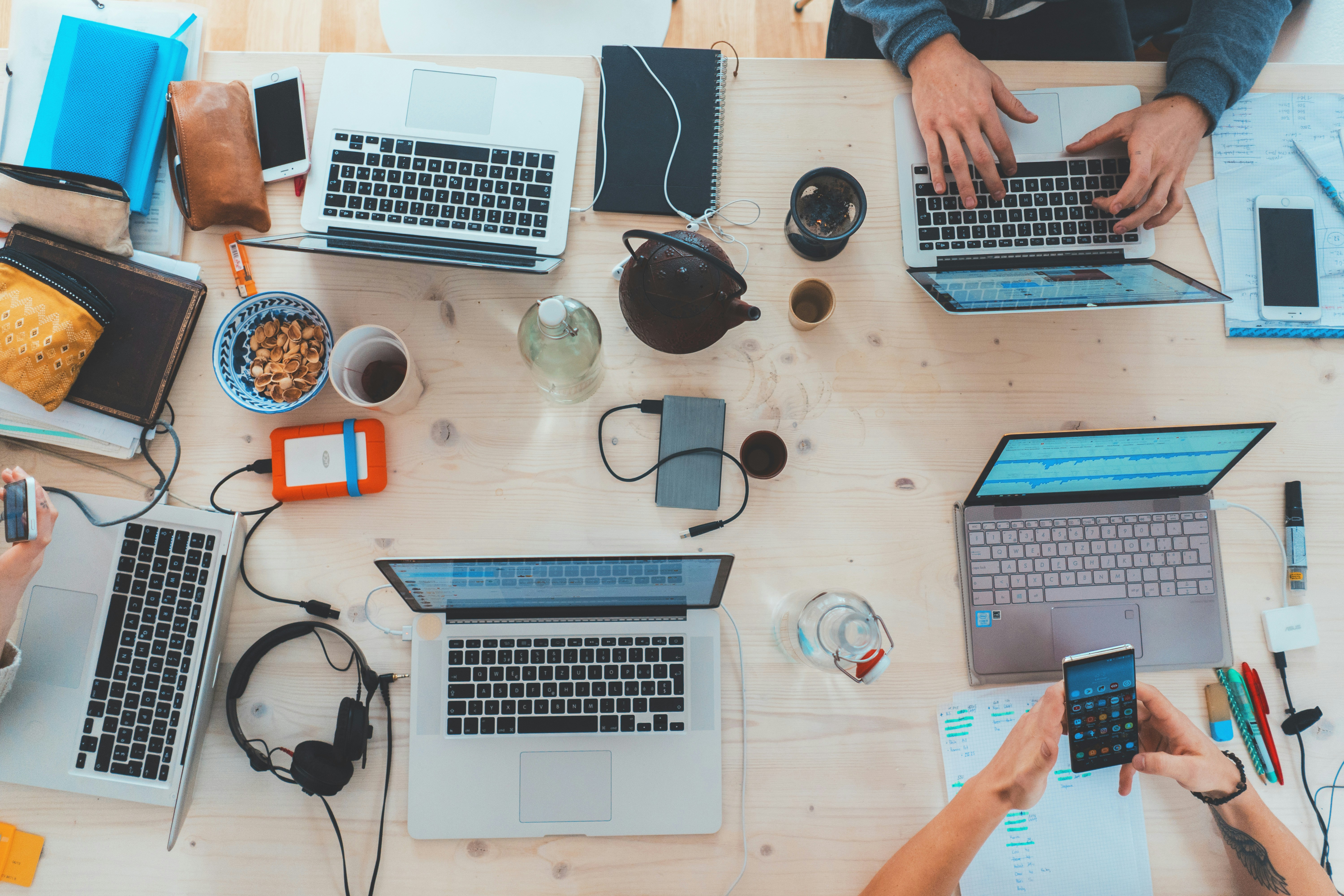
What Is the Information Society and How Did We Get Here?
A few decades ago, value came from physical things. If you owned a car factory, you held the power. Today, the most valuable companies make software, gather search habits, and run computer servers. Data is now the fuel of our daily routine.
Back in the nineteen nineties, only a tiny slice of the globe had internet access. Now, more than five billion people surf the web every day. You can see this shift by checking the history of the information society on Wikipedia, which tracks how digital networks slowly replaced old industrial machines.
Think about banking thirty years ago. You had to drive to a brick building, wait in a long line, and talk to a human clerk just to move cash around. Now you tap a screen while waiting for coffee, and money moves across continents in three seconds.
The speed of communication changed the pace of life. News used to arrive once a day on thin paper delivered to your porch. Now an earthquake in Tokyo shows up on Twitter feeds in London before the ground even stops shaking. That constant stream of facts keeps us connected, but it also means our brains never fully rest.
From Paper Files to Cloud Servers
Paper used to fill whole rooms in city basements. Large cabinets held medical records, tax forms, and school transcripts. If a water pipe burst, twenty years of local history went down the drain.
Digital cloud storage changed all that. Today, one thumb-sized memory card holds millions of pages of text. Doctors in different cities pull up your test results during a quick phone call. It saves time, it cuts down on mistakes, and it keeps everyone on the same page.
Digital Transformation and the Daily Shift in Tech
Digital transformation sounds like fancy office speak, but it is just plain modern reality. It means using computer code to replace things that used to take pencil, paper, and wasted hours. Every shop down your street is living through this right now.
Look at your local pizza spot. Ten years ago, an order meant a loud phone line, scribbled notes on a ticket, and paper receipts stuck on a metal pin. Now orders drop directly into an iPad screen from an app, routes show up on driver phones, and money clears through wireless cards.
This big change reshaped how people earn a living. Remote jobs grew fast over the last five years. Someone can sit at a kitchen table in Ohio and write software code for a design agency based in Berlin. You only need a stable Wi-Fi signal and basic digital tools.
You can read more about how clear language helps us share data on this post about Politics and the English Language: How Words Shape Ideas. Clear communication is what keeps our online tools running smoothly across big distances.
The Internet Development That Powers It All
Old dial-up modems used to scream through the phone line just to load one blurry picture. If someone picked up the kitchen phone, your download died. We waited five minutes for a single web page to appear.
High-speed fiber cables changed the game completely. Now we stream crystal clear movies on our mobile screens while riding city buses. Subsea cables lying on ocean floors link continents together in less time than an eye blink.
This fast web helps normal people run small businesses from tiny spare rooms. A mother selling handmade blankets can find paying buyers in Japan, Canada, and Spain without ever printing a single flyer. The global market sits right inside her laptop.
Artificial Intelligence in Modern Society
Artificial intelligence is no longer something you see only in science fiction movies. It is built into the maps app on your phone that steers you around bad traffic jams. It checks credit card transactions for strange charges before you even know your wallet is lost.
AI tools can read huge piles of data in seconds. A doctor can run an X-ray through a computer program to catch tiny spots that human eyes might miss after a twelve-hour hospital shift. It helps farmers scan field photos from drones to spot thirsty crops before plants turn brown.
There are real worries, too. Many workers worry about computer models writing code, drafting contracts, and making customer support calls. What happens to office workers when one machine does the work of five people? That is a real worry that modern families talk about around kitchen tables.
Trust is another big issue. Fake pictures and made-up video clips spread fast on social networks. People have a hard time knowing what is real and what is built by a prompt. When anyone can make a fake video in thirty seconds, truth becomes hard to spot.
How Algorithms Shape What You See
Every time you click a video, an algorithm takes notes. It tracks how many seconds you watched, what you skipped, and what you shared with friends. Then it gives you ten more videos just like it.
This keeps you watching, but it also creates narrow information bubbles. Two neighbors can read about the exact same local vote and see completely different stories based on their past web clicks. One sees a disaster coming, while the other sees bright days ahead.
That kind of divide makes real-world compromise tricky. We spend hours talking past each other because our computer screens give us different versions of the world.
The Human Impact of Constant Information
Having all human knowledge in your pocket sounds like a dream. But it comes with a hidden cost for our focus and peace of mind. We take in more words and alerts in one day than our ancestors did in an entire year.
You sit down to read a book, and five minutes later your phone buzzes with a group chat update. Then a breaking news banner drops down from the top of the glass. Your train of thought breaks into small pieces. It takes ten minutes just to get your brain back on track.
Our blog shares practical ideas to help people stay balanced, and you can explore more on our digital culture and media updates page. Finding ways to unplug for an hour every night is fast becoming a basic health habit.
Relationships feel different now, too. We have hundreds of online connections, yet many people report feeling more lonely than ever. A thumbs-up icon cannot take the place of sharing a hot meal with a good friend across a wooden table.
- People check their phones over ninety times a day on average.
- More than sixty percent of workers say constant emails raise their stress levels.
- Young people spend upwards of seven hours a day looking at entertainment screens.
- Over eighty percent of small businesses rely on social media to find local customers.
The Digital Divide Between Rich and Poor
We often act like everyone has fast home internet, but millions of families still do not. In rural towns and poor city neighborhoods, broadband service is either too slow or costs too much money. That creates a huge split in society.
A child without a home laptop has a hard time doing school homework. They must sit in fast-food parking lots just to pick up free Wi-Fi signals for class projects. That is an unfair start in life compared to kids with fast connections in their bedrooms.
Governments must treat fast web lines like water pipes or electric wires. Without fair web access, too many bright kids and hard workers get left behind on the sidewalk.
What Lies Ahead for Our Connected World?
The speed of change is not slowing down. Smart home gadgets now talk to each other without any human help. Your fridge can spot that the milk carton is empty and add it to your store pickup cart on its own.
Self-driving delivery vans are already running tests in sunny southwestern cities. Drones drop small boxes of medicine in rural spots where roads are washed out by rain. The line between physical tools and online data keeps getting thinner every month.
Education is shifting, too. A student in a small village can take calculus lectures from top university teachers for free on YouTube. Skills matter more than old degrees in many tech fields. If you can build a clean site or fix a database, companies will hire you.
We will have to set better personal rules, though. Tech companies design apps to grab our attention and hold it for as long as possible. Learning when to close the laptop and put the phone in another room is the best skill you can build this year.
Frequently Asked Questions
What is the best definition of an information society?
An information society is a society where the creation, sharing, and use of information is the main economic and cultural activity. Instead of making physical goods alone, people make, move, and sell data and ideas.
How does artificial intelligence change daily communication?
AI tools can translate foreign languages in real time, sort through junk emails, and write quick drafts of messages. It makes talking across borders faster, but it also creates fake news that tricks readers.
Why is digital transformation important for small businesses?
Small shops need digital tools to handle online payments, show up on web map searches, and talk to local customers. Without these tools, people cannot find their stores or buy their goods easily.
What is the biggest problem in an information society?
Information overload and screen fatigue are huge problems. Many people also struggle with data privacy, fake news, and the gap between people who have fast internet and those who do not.
How much time do you spend looking at a screen each day? Think about tracking your screen hours this week, and try leaving your phone in another room during dinner tonight. You might be surprised by how much quiet your brain gets back.


0 Comments